

yxalitis
New member
So I stumbled on this idea accidently as a lot of great inventions seen to be...
I will upload photos of may work later, apologies!
So I was painting my Chysperis, a stupidly big mini from Mierce...
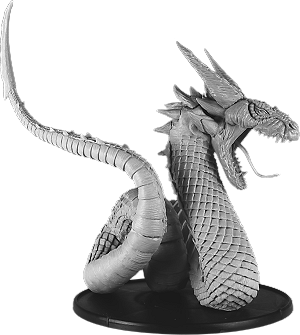
I did the belly scales in deep blue, and the back scales in three green/blues,
That looked crap
So I tried a yellow green highlight on the back scales.
Still looked crap.
I washed selected areas with my fave wash, Vallejo Smoky Ink.
Better, but still wrong!
Hmm, i thought, the problem is it's too colourful...
"I'll start over" I thought, and applied a deep brown to the back scales intending to cover and then highlight later.
But the brush i used was still wet, and the paint had settled a little in the bottle.
So basically I applied a thickish wash over the bright, totally unrelated colours
The result was spectacular!
The bright colours are muted, but still come through, so the brown coat is richly varied, capturing the shades and washes of the lower coat.
This is kind of hwo pots are glazed, the first glaze is VERY BRIGHT, but subsequent layers dull it down. (I think...it's been a while since I glazed a pot!).
So, the technique.
Paint some very bright, cartoony colours, try and contrast the colour you want to end up with, ie yellows and blues (not reds and greens) for brown.
Dry brush and wash to get nice blending, highlights etc, don't worry too much about visible wash or dry-brush marks.
Thin out your final colour a little bit, not a true wash, but maybe 50/50, (experiment to get the right ratio)
Wash the whole area...
That's it!
Have I discovered some amazing new technique...?
No, I guess everyone knows this already, but I thought I'd share it in case someone out there can benefit...
I will upload photos of may work later, apologies!
So I was painting my Chysperis, a stupidly big mini from Mierce...
I did the belly scales in deep blue, and the back scales in three green/blues,
That looked crap
So I tried a yellow green highlight on the back scales.
Still looked crap.
I washed selected areas with my fave wash, Vallejo Smoky Ink.
Better, but still wrong!
Hmm, i thought, the problem is it's too colourful...
"I'll start over" I thought, and applied a deep brown to the back scales intending to cover and then highlight later.
But the brush i used was still wet, and the paint had settled a little in the bottle.
So basically I applied a thickish wash over the bright, totally unrelated colours
The result was spectacular!
The bright colours are muted, but still come through, so the brown coat is richly varied, capturing the shades and washes of the lower coat.
This is kind of hwo pots are glazed, the first glaze is VERY BRIGHT, but subsequent layers dull it down. (I think...it's been a while since I glazed a pot!).
So, the technique.
Paint some very bright, cartoony colours, try and contrast the colour you want to end up with, ie yellows and blues (not reds and greens) for brown.
Dry brush and wash to get nice blending, highlights etc, don't worry too much about visible wash or dry-brush marks.
Thin out your final colour a little bit, not a true wash, but maybe 50/50, (experiment to get the right ratio)
Wash the whole area...
That's it!
Have I discovered some amazing new technique...?
No, I guess everyone knows this already, but I thought I'd share it in case someone out there can benefit...
Last edited:


